


German Spitz Dog Breed: History, Temperament & Care Guide
What is the history and background of the German Spitz?
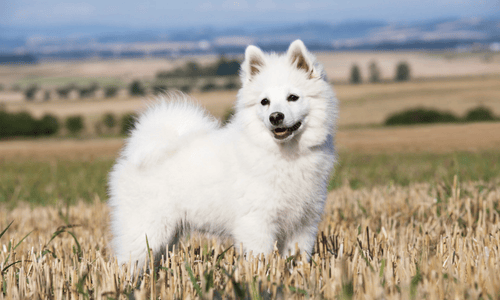
German Spitz is one of the oldest dog breeds in Europe, with a history dating back to the Middle Ages in Germany. This breed was initially used as a guard dog on farms and ships, thanks to its alert nature and its strong barking. The Spitz has a unique appearance including a thick and magnificent coat, a tail curled over the back, and pointed ears, which give it a “wolf-like” appearance. It belongs to the Spitz family, which includes other breeds such as the Pomeranian and the Japanese Spitz. Today, it is used mainly as a lovable and loyal companion dog for families.
Breed Details
Is the German Spitz easy to train?
How much does the German Spitz shed?
What is the life expectancy of a German Spitz?
Is the German Spitz friendly with other pets?
Is the German Spitz a good family dog?
What is the typical size of a German Spitz?
Is the German Spitz a good family dog?
Is the German Spitz friendly with other pets?
Is the German Spitz easy to train?
How much does the German Spitz shed?
What is the life expectancy of a German Spitz?
More Breed Details
What is the life expectancy of a German Spitz?
The life expectancy of a German Spitz is typically 12-16 years. This breed generally enjoys a long and healthy lifespan with proper care.

What is the average male weight for a German Spitz?
The average male German Spitz weighs 8-12 kg, with the exact weight depending on the individual dog's size and build.

What is the average female weight for a German Spitz?
The average female German Spitz weighs 8-12 kg, with the exact weight depending on the individual dog's size and build.
What is the average male height for a Small German Spitz?
The average male height for a Small German Spitz is 23-29 cm. This measurement refers to the height at the dog's shoulder.
What is the average female height for a Medium German Spitz?
The average female height for a Medium German Spitz is 30-38 cm. This measurement refers to the height at the dog's shoulder.

How sensitive is the German Spitz to different weather conditions?
The German Spitz has good resistance to cold but is sensitive to high heat. Their thick double coat provides insulation against cold, but they can overheat in warm climates.

What is the energy level of a German Spitz?
The German Spitz has a high energy level. They require regular exercise and mental stimulation to stay happy and well-behaved.

What are the coat characteristics of a German Spitz?
The German Spitz has a double coat, consisting of a dense, soft undercoat and a long, straight, stiff top layer. Common colors include white, black, brown, silver-gray, cream, orange, and various combinations.

What are the common hereditary diseases in German Spitz dogs?
German Spitz dogs have a tendency toward certain hereditary diseases, including dental problems (often due to their small mouth size), patellar luxation, and various eye problems.
The Breed's Purpose Today
Today, the German Spitz is used mainly as a family companion dog thanks to its sociable, energetic, and loyal nature. In addition, due to its alert nature and tendency to bark, it is also suitable as a small guard dog for the home. It thrives in a family environment where it is given play time, attention, and physical and mental stimulation.
Tips for Training and Educating the Breed
- Early socialization: Exposure to people, children, and other animals will help reduce suspicion or territorial behavior.
- Barking management: The German Spitz tends to bark to alert, so it is important to teach it commands such as “quiet” or “enough”.
- Consistent training: The Spitz is an intelligent yet independent dog, so it is important to be consistent in approach and to incorporate positive reinforcement.
- Routine grooming: Brushing twice a week will help maintain coat health and reduce shedding.
- Daily activity: The Spitz needs daily walks, active play, and short training sessions to keep it balanced and happy.

